




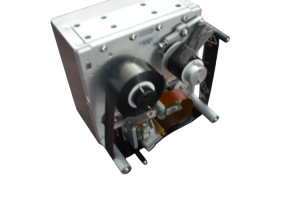
I. What is a Coding/Printing Machine?
A coding machine is a device used to print information such as dates, batch numbers, recommended retail prices, or product details onto packaging materials. The market is mainly divided into two categories: non-contact printing and contact printing.
a. Non-Contact Printing
| Typ | Working Principle | Applicable Film Substrates |
|---|---|---|
| Inkjet Coder | Prints codes by jetting ink onto the product without physical contact | PET, PE, OPP, BOPP, label paper, etc. |
| Laser Coder | Uses a laser to engrave permanent codes onto the surface | PET, BOPP, laminated films (not suitable for chlorine-containing films such as PVC/PVDC) |
b. Contact Printing
| Typ | Working Principle | Applicable Film Substrates |
|---|---|---|
| Hot Ink Roll Coder | Copper/lead type contacts a heated ink roller to transfer melted ink onto the type, then applies mechanical pressure to print onto the packaging material | Plain PE/PP films (flat-surface flexible packaging) |
| Hot Stamping Coder | Transfers ink from the ribbon onto the packaging material through heat and mechanical pressure | PET, OPP, BOPP, laminated films |
| Thermal Transfer Overprinter (TTO) | Transfers ink from the ribbon precisely onto the packaging material using heat (see details below) | PET, PE, NY, CPP, OPP, BOPP, BOPET, BOPA, VMPET, VMCPP, PVDC, and most other films and laminated films |
| Heat Seal Embosser | Uses purely mechanical pressure to emboss pre-formed metal type onto the product packaging—no ink or ribbon consumption | Aluminum foil laminates, paper-plastic laminates, blister packaging foil |
III. Film Substrate Application Comparison Table
| Film Type | Inkjet | Laser | Hot Ink Roll | Hot Stamping | TTO | Typical Applications |
|---|---|---|---|---|---|---|
| PE (Polyethylen) | ● | ● | ● | ● | ● | Food bags, shrink film |
| PET (Polyester) | ● | ● | ● | ● | ● | Retort pouches, labels |
| OPP/BOPP | ● | ● | ● | ● | ● | Snack packaging, adhesive tape |
| NY (Nylon) | ● | ● | — | ● | ● | Puncture-resistant packaging, retort pouches |
| CPP | ● | ● | ● | ● | ● | Food inner packaging |
| PVDC | ● | — | ● | ● | ● | High-barrier food packaging |
| VMPET/VMCPP (Metallized film) | ● | ● | ● | ● | ● | Coffee bags, tea bags |
| Aluminum foil laminate | — | — | — | ● | ● | Pharmaceutical blister packs, milk powder bags |
| Paper-plastic laminate | ● | ● | — | ● | ● | Food paper packaging |
| Label paper | ● | — | — | — | ● | Self-adhesive labels, shrink-sleeve labels |
Legend: ● Applicable | — Not applicable
IV. TTO Thermal Transfer Overprinter – Detailed Overview
4.1 Working Principle
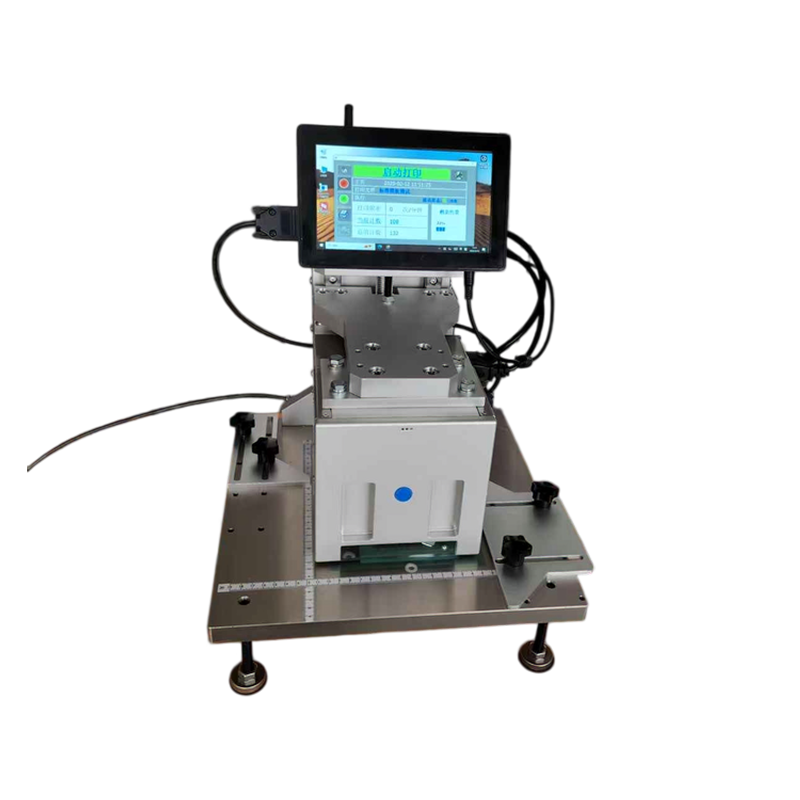
The TTO (Thermal Transfer Overprinter) uses heating elements in the printhead. By activating individual heating points, it melts the ink on the ribbon. Under pneumatic pressure and printhead pressure, the molten ink is precisely transferred onto the surface of the packaging material, achieving high-resolution digital printing and ensuring long-term, stable print quality.
4.2 Operating Modes
| Mode | Applicable Scenarios | Working Principle |
|---|---|---|
| Intermittent (Stop-Go) | VFFS vertical packaging, three-side-seal bags, etc. | The film is stationary while the printhead moves to complete the print |
| Continuous | High-speed production lines, friction feeders, etc. | The film moves continuously while the printhead is fixed and prints dynamically |
4.3 TTO Application Suitability on Various Film Substrates
| Film Category | TTO Suitability | Typical Packaging Applications | Print Content |
|---|---|---|---|
| Transparent films (PE/CPP) | ★★★★★ | Bread bags, fresh produce packaging, food bags | Date, batch number, barcode |
| Matte/glossy laminates (OPP/BOPP) | ★★★★★ | Snack bags, biscuit roll film | Date, shelf life, logo |
| High-barrier films (PVDC) | ★★★★☆ | Meat products, cheese packaging | Date, batch number, traceability code |
| Nylon film (NY) | ★★★★★ | Frozen food, retort pouches | Date, batch number, barcode |
| Metallized film (VMPET/VMCPP) | ★★★★★ | Coffee bags, tea bags, chocolate | Date, batch number, QR code |
| Aluminum foil laminate | ★★★★☆ | Pharmaceutical blister packs, milk powder bags | Batch number, expiry date, drug tracking code |
| Heat-shrink film (POF/PVC) | ★★★★☆ | Beverage multi-packs, personal care products | Date, batch number |
4.4 Core Advantages
-
Broad film substrate compatibility: Supports PET, PE, NY, CPP, OPP, BOPP, BOPET, BOPA, VMPET, VMCPP, PVDC, and most other films and laminates
-
300 dpi high-definition printing: Clearly renders small characters, barcodes, 2D codes, and multi-line information
-
Dual-mode integration: Supports both intermittent and continuous modes; adaptable to VFFS/HFFS/friction feeders/filling machines
-
Efficient ribbon usage: Bi-directional drive, requiring only 0.5 mm ribbon gap between two prints
-
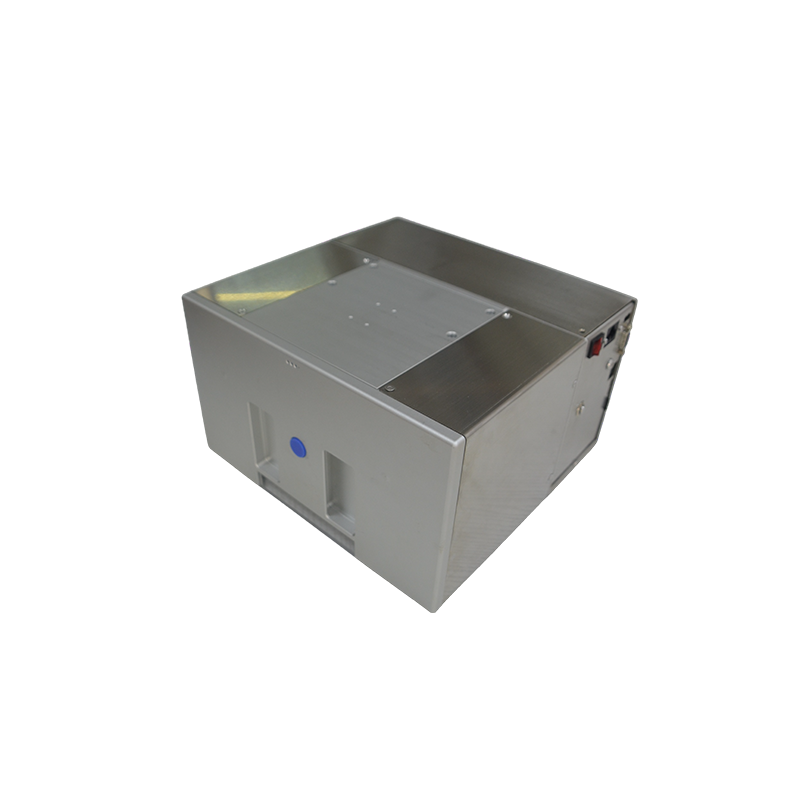
All-metal construction: Rugged and durable, maintenance-free design
-
50,000-meter printhead life: Backed by a 1-year warranty (industry standard is 3 months)
V. Coder Selection Recommendation Table (by Film Type & Production Line)
| Packaging Film | Line Speed | Recommended Coding Method | Recommended Model Direction |
|---|---|---|---|
| Plain PE/PP soft bags | Low–medium | Hot Ink Roll / TTO | Economy TTO or hot ink roll coder |
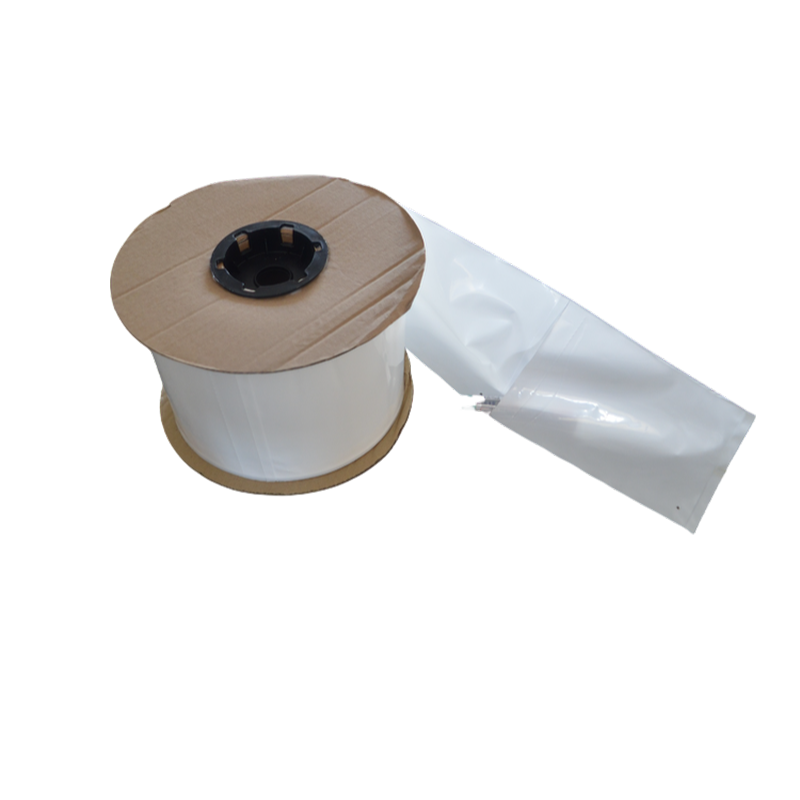
| High-speed VFFS roll film (OPP/PET) | High | TTO (continuous mode) | Standard TTO |
| High-barrier metallized film | Medium–high | TTO | Standard / Wide-width TTO |
| Pharmaceutical blister aluminum foil | Mittel | Heat Seal Embosser / TTO | Heat seal embosser or TTO |
| Self-adhesive labels | Medium–high | TTO / Inkjet | TTO (labeler-integrated) |
| Heat-shrink film (multi-pack) | High | TTO / Laser | Continuous TTO |
| Retort pouches (NY/PET laminate) | Mittel | TTO / Hot Stamping | TTO (high-temperature ribbon) |
VI. TTO Thermal Transfer Overprinter Solutions
6.1 Product Selection Configuration
| Model | Applicable Production Line | Druckauflösung | Print Width | Bandkapazität | Applicable Film Substrates |
|---|---|---|---|---|---|
| Economy Narrow-Width | Intermittent VFFS, labelers | 200dpi | 24×55 mm / 32×55 mm | 600 m | PE/OPP/label paper |
| Standard | Intermittent/Continuous dual-use | 300 dpi | 53×55 mm / 53×115 mm | 600 m | Full range of films |
| Wide-Width | Wide-web packaging, multi-lane packaging | 300 dpi | 107×115 mm | 600 m | Wide laminates/metallized films |
6.2 Core Advantages
-
High reliability: All-metal body, 24/7 continuous operation, maintenance-free
-
Printhead quality assurance: 1-year warranty, 50,000-meter lifespan
-
High-efficiency consumable savings: Bi-directional ribbon drive, 0.5 mm ribbon gap, intelligent breakpoint resume printing—ribbon utilization increased by 30%+
-
Strong compatibility: Universal horizontal/vertical installation, adaptable to VFFS/HFFS/friction feeders/filling machines
6.3 Application Industries
| Branche | Typische Produkte | Common Film Substrates | Print Content |
|---|---|---|---|
| Essen | Snacks, coffee, tea, seasonings | OPP/PET/metallized film | Production date, shelf life, batch number, barcode |
| Pharmaceutical | Medicines, health supplements, tablets, capsules | PET/aluminum foil laminate | Batch number, expiry date, traceability code, drug tracking code |
| Personal Care | Laundry detergent, hand soap, skincare products | PE/PET/shrink film | Production date, batch number, expiry date |
| Chemical | Powders, granular products | PE/laminates | Batch number, ingredient information, warning labels |
6.4 Total Cost of Ownership Advantages
-
Ribbon utilization improved by 30%+
-
Ribbon change frequency reduced to less than 1/4 of conventional equipment
-
Printhead lifespan of 50,000 meters with a 1-year warranty—significantly lower maintenance costs
6.5 Implementation Plan
| Phase | Activities | Duration |
|---|---|---|
| Requirements Confirmation | Confirm production line type, film substrate, print width, and content | 1–2 weeks |
| Selection & Sample Testing | Match model, provide sample printing tests | 1–2 weeks |
| Delivery & Installation | Equipment production, shipping, on-site installation and commissioning | 3–4 weeks |
| Training & Acceptance | Operator training, maintenance training, final acceptance | 1–2 days |
6.6 After-Sales Service
| Service Item | Commitment |
|---|---|
| Full Machine Warranty | 12 months |
| Printhead Warranty | 12 months (industry standard is 3 months) |
| Technical Support | 24/7 phone support, remote diagnostics |
| On-Site Service | Response within 48 hours |
 English
  Chinese
  Russian
  Japanese
  Malay
Malay  Korean
  French
  German
  Arabic