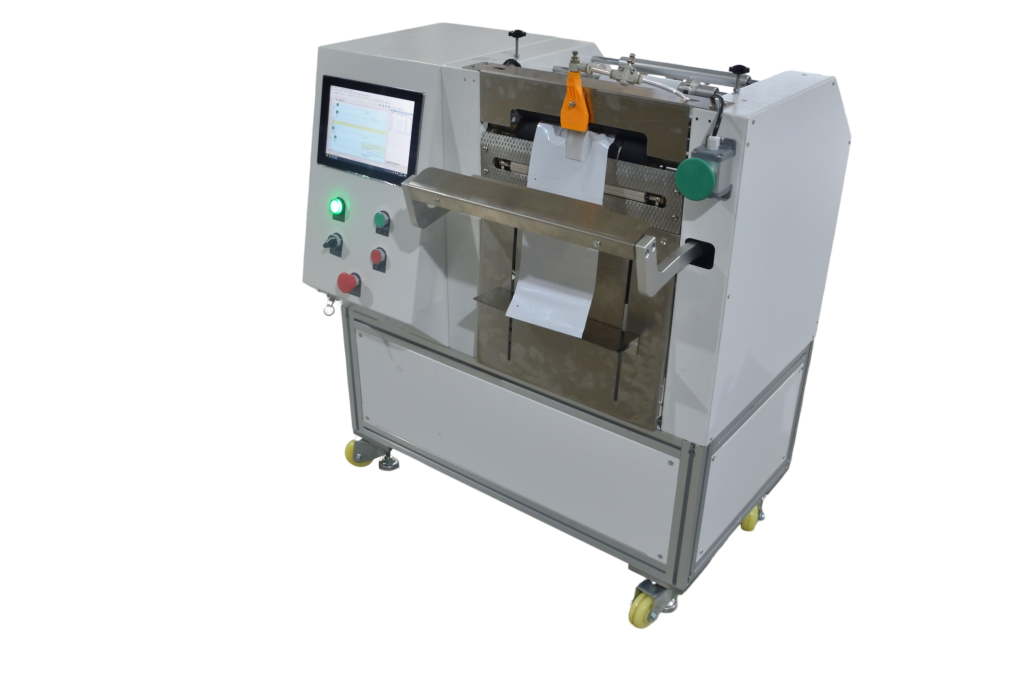
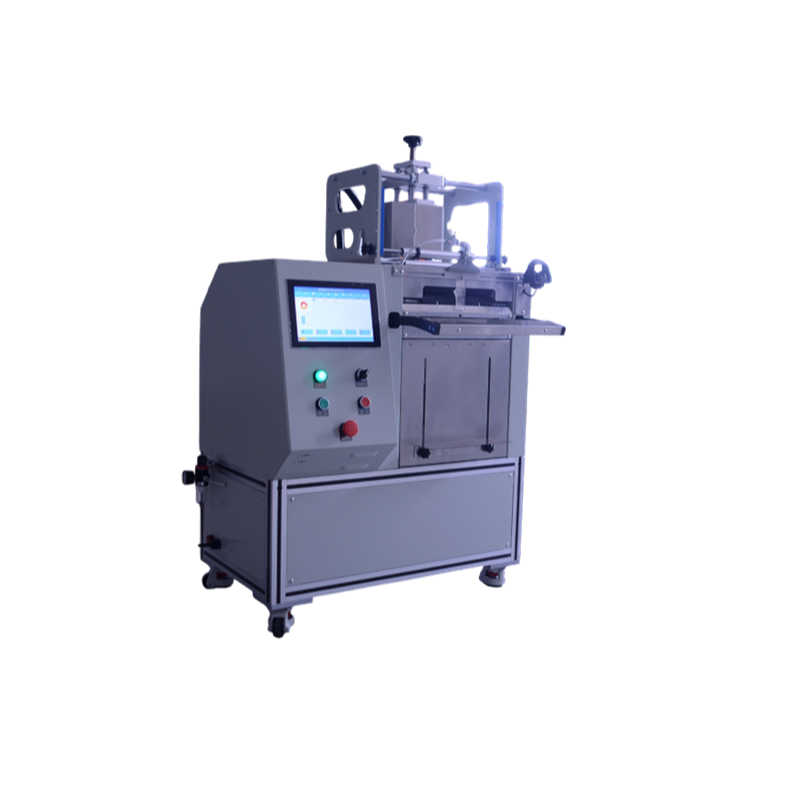
TTO Thermal Transfer Overprinter Series
— Printing on Flexible Packaging, Clear, Simple, and Reliable
What Is This Machine?
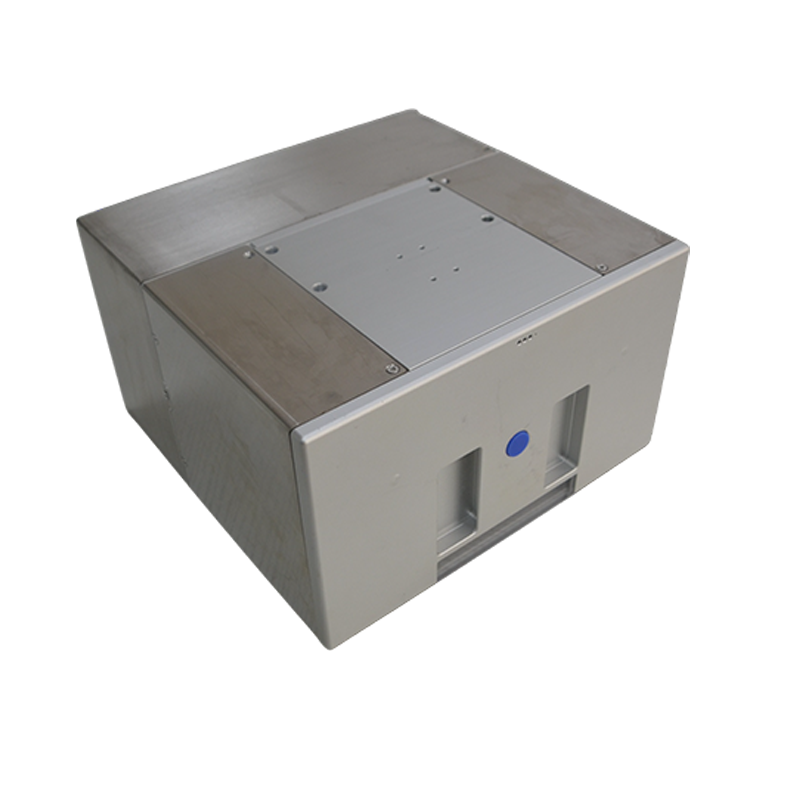
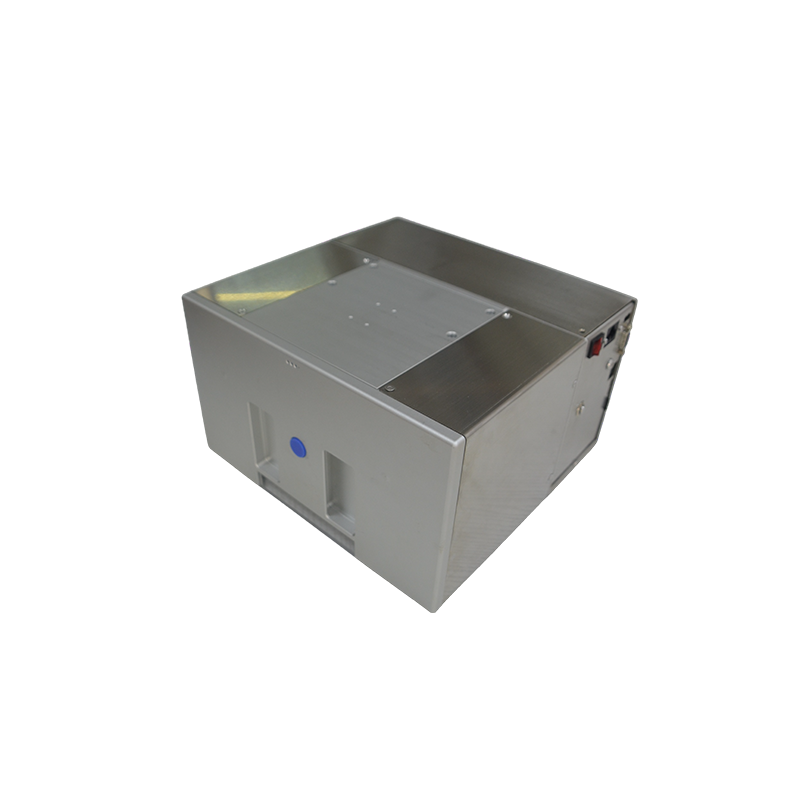
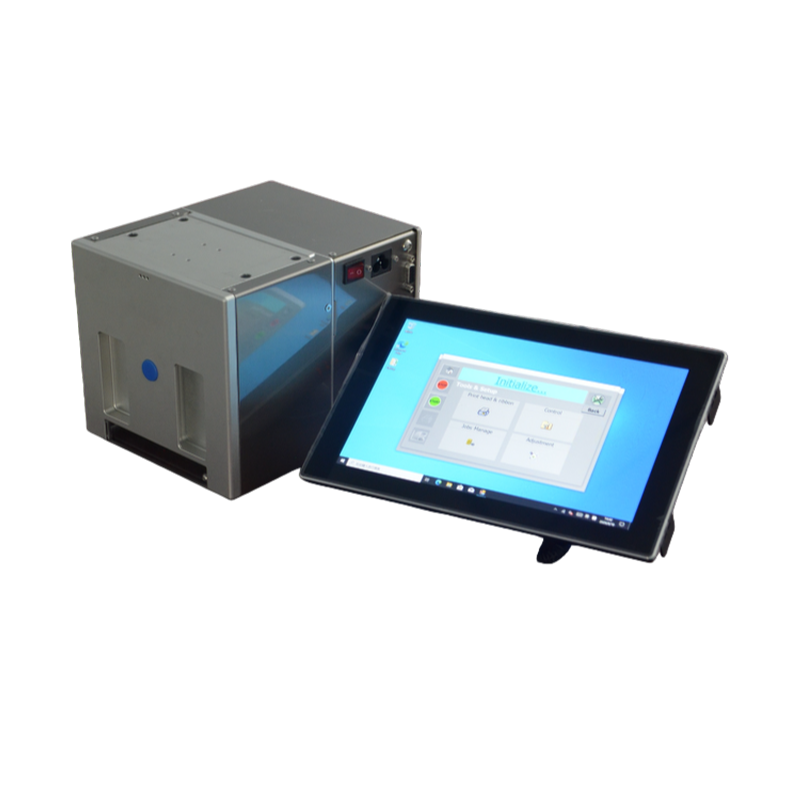
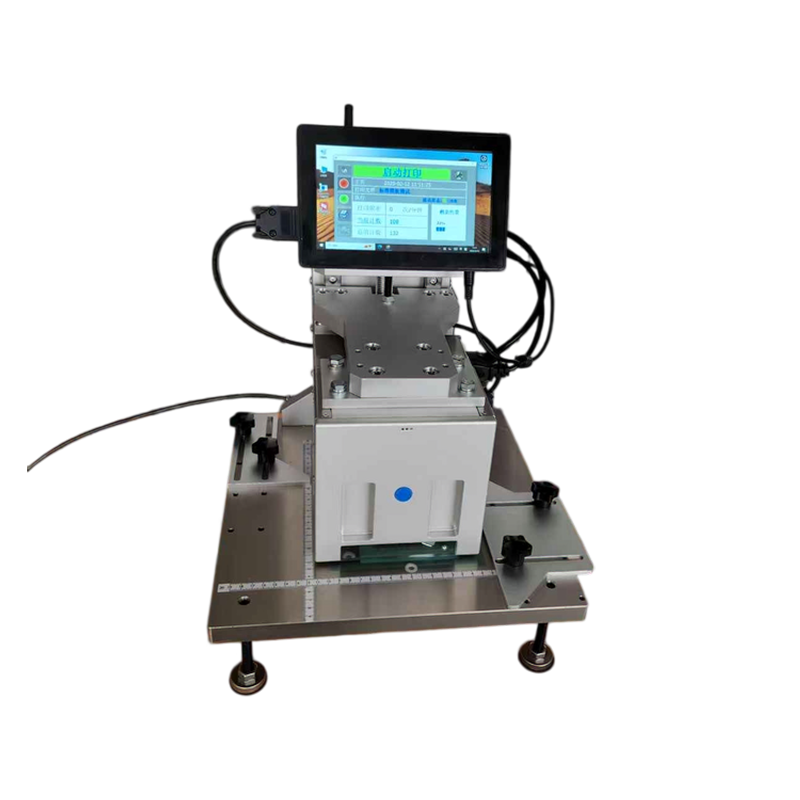
Simply put, the TTO thermal transfer overprinter is a machine dedicated to printing information onto flexible packaging bags.
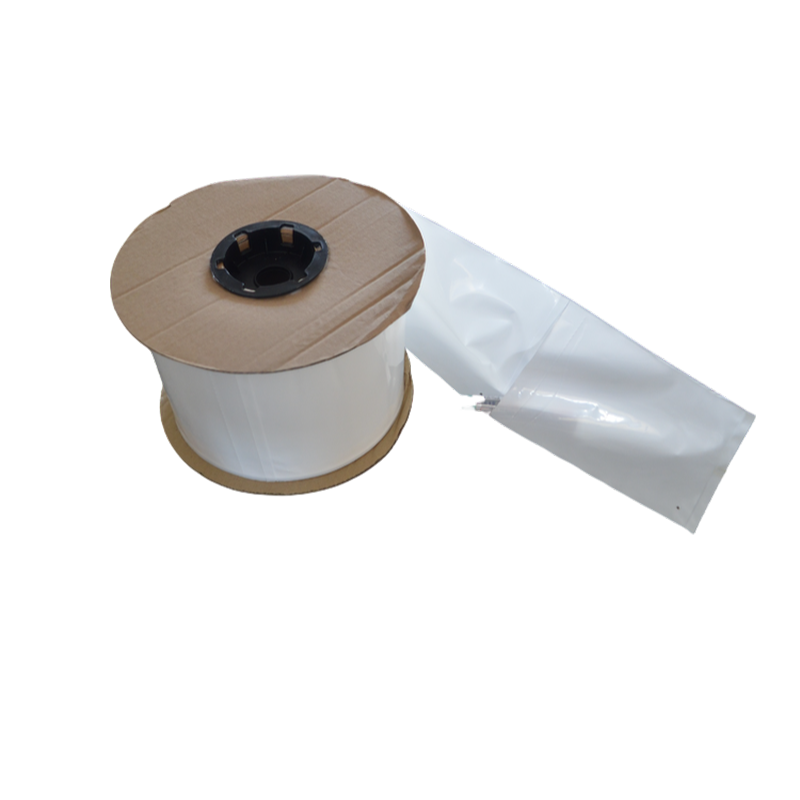
Whether you need to print production dates, batch numbers, QR codes, or barcodes on your bags, it does the job clearly and neatly. Using thermal transfer technology, it’s ideally suited for flexible packaging materials such as plastic films, laminated films, and coated paper bags.
What Problems Does It Solve?
Problem #1: Blurry printing that won’t scan?
Many factories use ink rollers or old‑fashioned coders that produce blurry, broken text—resulting in barcodes and QR codes that frequently fail to scan, leading to returns or penalties.
How this machine solves it: With 300dpi high resolution, print quality is sharper than most office printers. Numbers, characters, barcodes, and QR codes are all crisp and readable—scan guns read them effortlessly.
Problem #2: Wrinkled bags causing crooked, distorted prints?
Flexible packaging bags have soft, easily wrinkled surfaces. Ordinary coders often produce incomplete or misaligned prints.
How this machine solves it: Patented vacuum suction technology—bags are firmly held down and completely flattened during printing, as stable as printing on rigid cardboard. Every bag comes out with the same perfect print quality.
Problem #3: Time‑consuming changeovers between products or print formats?
Different bags have different sizes, and print content changes frequently. Each adjustment requires time‑consuming setup and re‑testing.
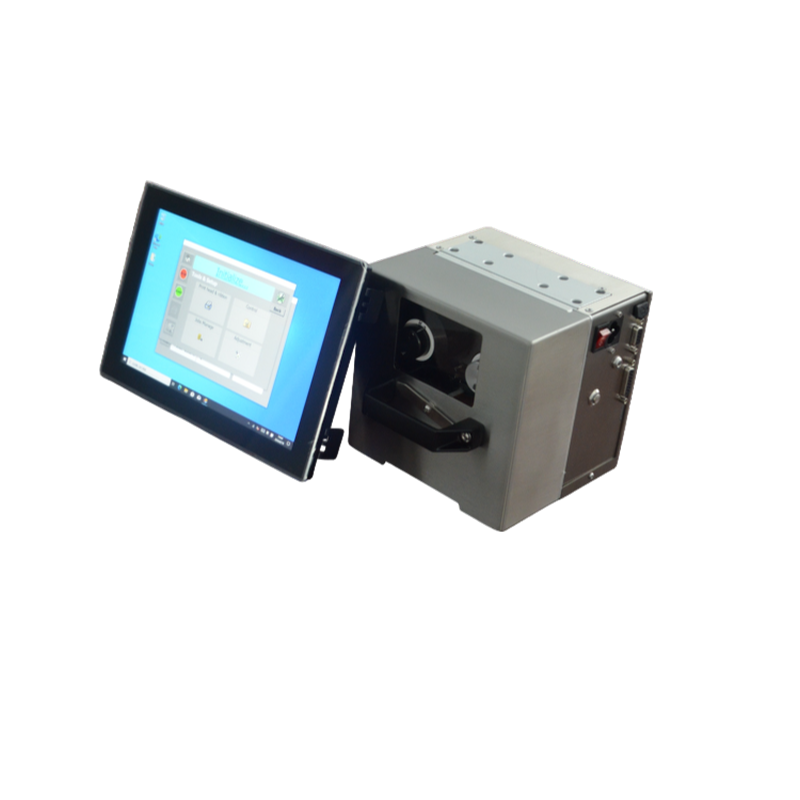
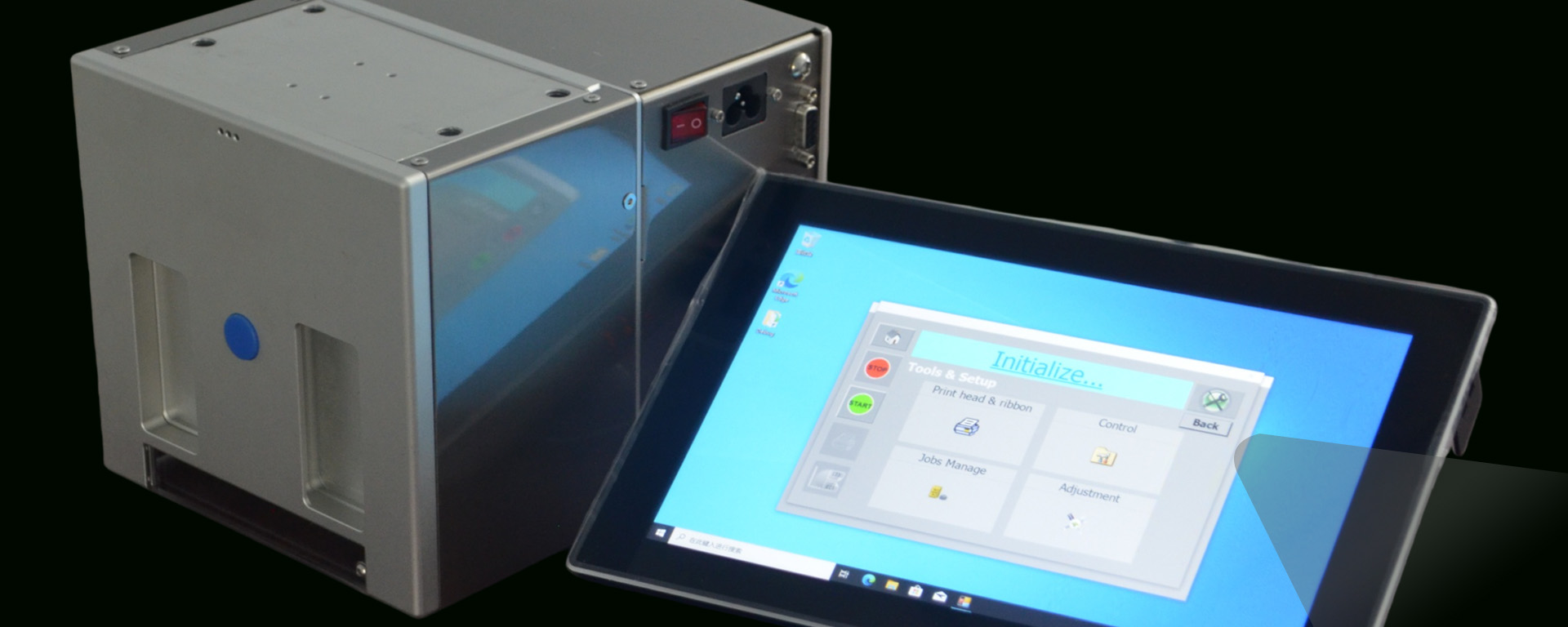
How this machine solves it: Built‑in industrial PC—edit whatever you need directly on the touchscreen, save templates, and recall them with one tap for next time. Print height is easily adjusted by turning a handwheel—no tools required.
Problem #4: Printing speed can’t keep up with production lines?
When printing is too slow, the packaging line has to wait.
How this machine solves it: Adjustable print speed from 50mm/s to 600mm/s—you set the pace that fits your production flow perfectly.
Core Features – Plain and Simple
Print Quality Comparison
Suitable Industries and Applications
Which industries use it?
Food, pharmaceuticals, personal care, electronics, hardware components—anyone using flexible packaging.
What materials can it print on?
Plastic bags, laminated films, coated paper bags, varnished paper—any soft, roll‑stock packaging.
What content can it print?
-
Production dates, expiration dates
-
Batch numbers, serial numbers
-
Barcodes (Code128, EAN, etc.)
-
QR codes, Data Matrix codes
-
Product logos and graphics
Technical Specifications at a Glance
En une phrase
TTO Thermal Transfer Overprinter = The professional tool for printing onto flexible packaging. Clear, stable, and compatible with any bag type—giving every bag a readable, scannable “ID card.”
 English
  Chinese
 Russian
 Japanese
 Malay
Malay
 Korean
 French
 German
 Arabic



.png "Imprimante à transfert thermique")
.png "Imprimante à transfert thermique")
.png "Imprimante à transfert thermique")