




Get the TTO coder packing machine type match wrong and the bracket, encoder, and print timing all fail later. Buyers usually match a model to print width, ignore how the packing machine feeds film, and discover the mount point is unreachable after delivery. Fix the match first, then confirm speed, web direction, and film.
Misjudgment 1: a TTO coder is a bolt-on part
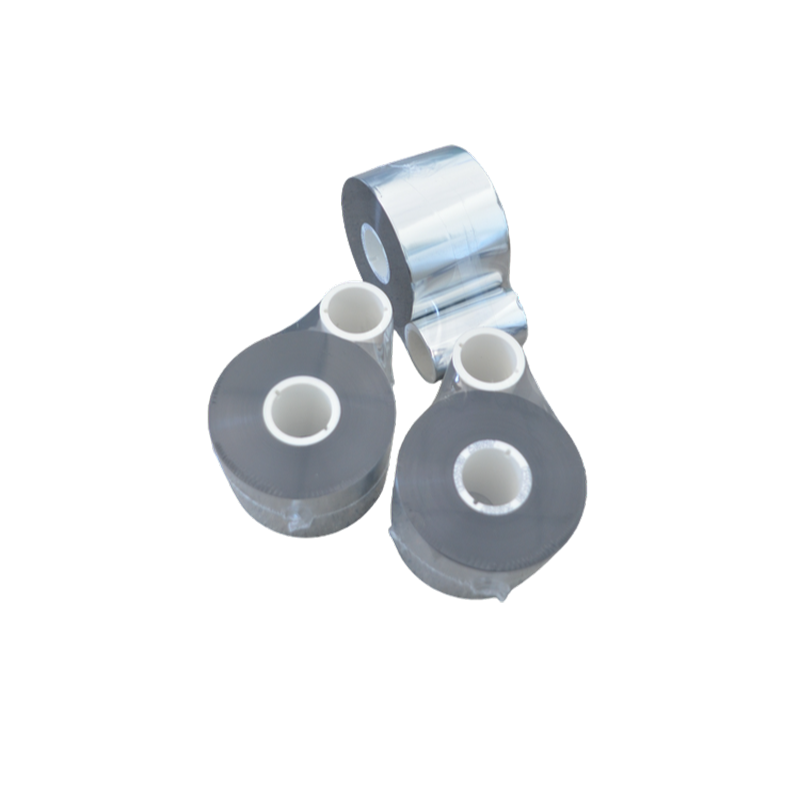
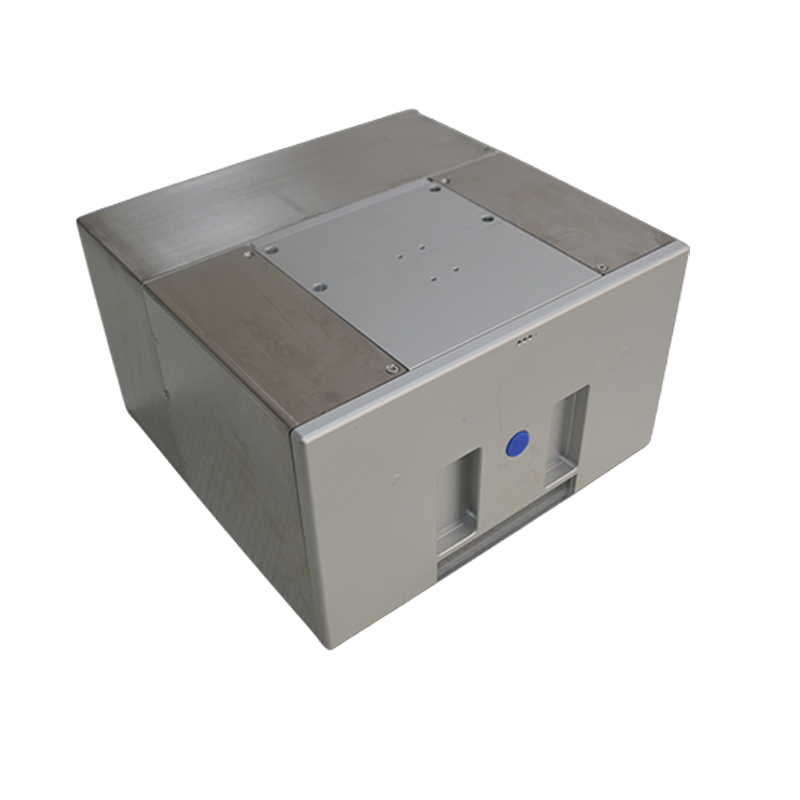
A TTO head must sit close to the film with a fixed gap. The bracket, encoder, and print contact all depend on how the packing machine feeds film.
On an FFS machine the film path moves vertically for part of its travel. On single-side open roll film lines the film runs horizontally and coding usually happens before the bag forms. A bracket designed for a horizontal path will not reach a vertical path without a custom arm, and that arm changes print timing.
Bad assumptions here show up as blurred codes, ribbon breaks, or print drift at high line speed. A proper TTO coder packing machine type match starts with three questions: what is the film direction at the planned mount point, where does the encoder signal come from, and can the machine slow or stop during sealing?
- Measure the clear space around the planned mount point in mm.
- Record film direction and film width at that point.
- Find the cycle signal source the encoder will use.
Misjudgment 2: print speed equals line speed
The two are not the same number. TTO models are rated by print speed and print width separately. A wide format such as the T53115-class or T3255-class will generally run slower than a compact format at the same line rate. A 200 mm print window at 300 mm/s is not the same job as a 100 mm window at 300 mm/s.
Set the real requirement first: code area in mm, characters per line, and the highest repeated cycle. Then read each model’s speed at that print area, not its headline figure.
| Coder model | Best fit machine type | What to verify on site |
|---|---|---|
| JYZN-T107115 | Narrow-format packaging, small code areas | Film direction, mount clearance |
| JYZN-T2455 | Standard snack and confectionery lines | Cycle rate at required print area |
| JYZN-T3255 | Wider flexible film codes | Print area versus line speed curve |
| JYZN-T53115 | Wide web, high-throughput FFS | Encoder source, bracket reach |
| JYZN-T5355 | General roll film coding | Film tension stability |
Die Thermotransfer-Überdrucker range covers several widths. Confirm the speed rating at your actual print area with the supplier, not from the catalog headline. Model details for one reference point sit on the JYZN-T3255 page.
Misjudgment 3: film type does not affect fit
Ribbon and film are a pair. The coder can be correct and the code still fails when the ribbon does not bond to the film surface. PE film behaves differently from PET or AL-laminated film, and coated snack films vary by supplier lot.
Test on the real roll before releasing the purchase. Run a trial at the highest line speed you expect, then rub the code and check adhesion. If the code lifts or smears, change ribbon grade rather than pushing print energy higher. High energy can burn through thin film.
- Cut a 300 mm sample from the actual film roll.
- Trial at normal speed and again at peak speed.
- Rub-test by hand and record the result in writing.
Die ribbon selection guide covers material matching in more depth.
Self-check list before the PO
- Mount point: film direction, clearance in mm, and bracket drawing.
- Speed: required code area, characters per line, peak cycles per minute.
- Film: material type, thickness range, film width and roll diameter.
- Signal: encoder source and machine stop behavior during sealing.
- Ribbon: grade matched to film, sampled and rubbed at peak speed.
- Air and power: supply at the coder location, confirmed on site.
Acceptance steps: run three consecutive production shifts at normal speed, inspect a fixed sample of codes each hour, and record print head settings. Report any drift, then re-check bracket torque and encoder wiring. That closes out the TTO coder packing machine type match with evidence rather than a verbal promise.
For snack and confectionery lines, review the snack packing line coding solution for a typical mounting layout.
FAQ
Can one TTO coder serve two packing machines?
Usually no, unless both machines feed the same film path and never run at the same time. Shared mounting adds bracket complexity and print timing risk, so assess each machine separately before agreeing to a shared unit.
Do I need to change ribbon when I change film?
Often yes. Run a rub test with the new film at peak speed. If adhesion holds and the code stays legible, keep the grade. If the code lifts or smears, switch to a ribbon matched to that film surface.
How do I set the right print head gap?
Follow the supplier’s gap range for the model, then confirm with a print test at normal speed. A gap that is too large gives gray, low-contrast codes. Too small a gap risks head contact with the film and causes wear.
What line data should I send for a quote?
Machine type, film path drawing, code area in mm, peak cycles per minute, film material and thickness, and a photo of the planned mount point. That is enough for a model recommendation and a reference price band.
Send your film path drawing, a photo of the planned mount point, and your peak cycle rate. We will come back with a model recommendation and a reference price band within one business day. Contact us.
获取 TTO 打码与碳带选型建议
为快速匹配机型与碳带,请提供以下信息,我们会据此给出选型方向与后续沟通安排。
- 包装材料与结构(如 PE/PP 复合膜、单面开口卷膜)及膜宽
- 产线速度、包装机类型(如 FFS)与安装空间限制
- 需打印内容(日期/批号/二维码等)、行数与打印区域尺寸
- 使用环境与运行班次,以及所在地区与联系方式
响应时效:工作日收到完整信息后 1 个工作日内回复。
 English
 Chinese
 Russian
 Japanese
 Malay
 Korean
 French
 German
 Arabic