




Thermal transfer ribbon selection usually goes wrong for three reasons: the width and overlap are guessed instead of measured, the resin type is matched to the bag color instead of the film and the sterilization or wash cycle, and the ribbon is treated as a separate purchase instead of one half of a print system. Fix those three and most print defects disappear before you place a PO.
Mistake 1: Buying ribbon width by bag width
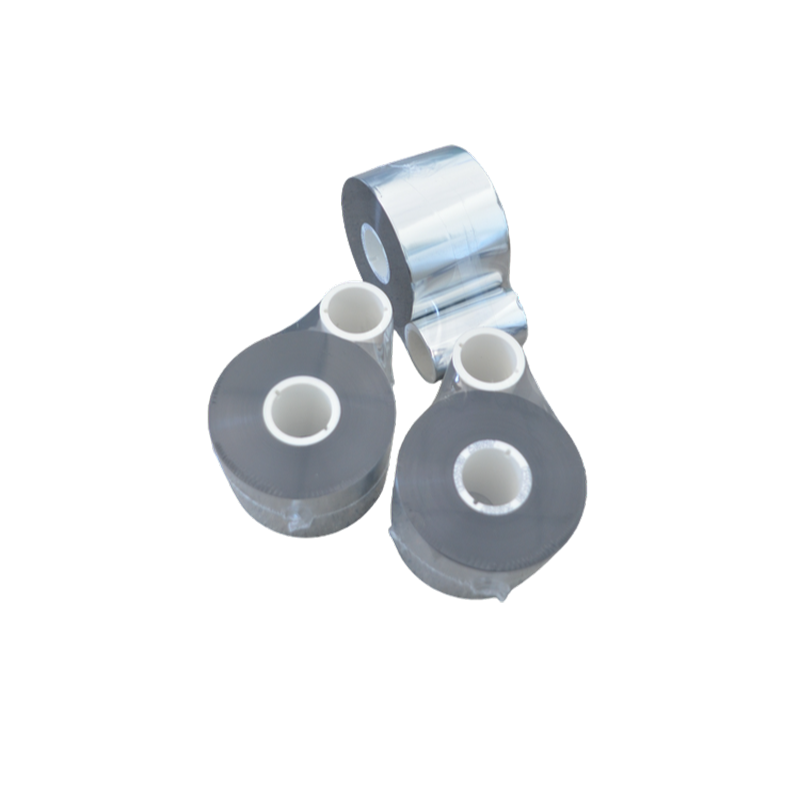
Bag width tells you how wide the print field should be. It does not tell you how wide the ribbon should be. On most TTO units the ribbon must cover the full print head, not just the text or date block. A ribbon narrower than the head wears the head edges, and a ribbon with too little margin leaves no room for the ribbon to walk as the spool takes up.
So measure two things on the machine, not on the bag drawing: the active print head width, and the actual distance the ribbon travels per print cycle. Then confirm the overlap between consecutive prints. At an overlap rate below 10% accuracy is close to 100%; once the overlap climbs, the ribbon step and the line speed start to fight, and gaps or doubled codes appear. This is the first place thermal transfer ribbon selection goes wrong on fast lines.
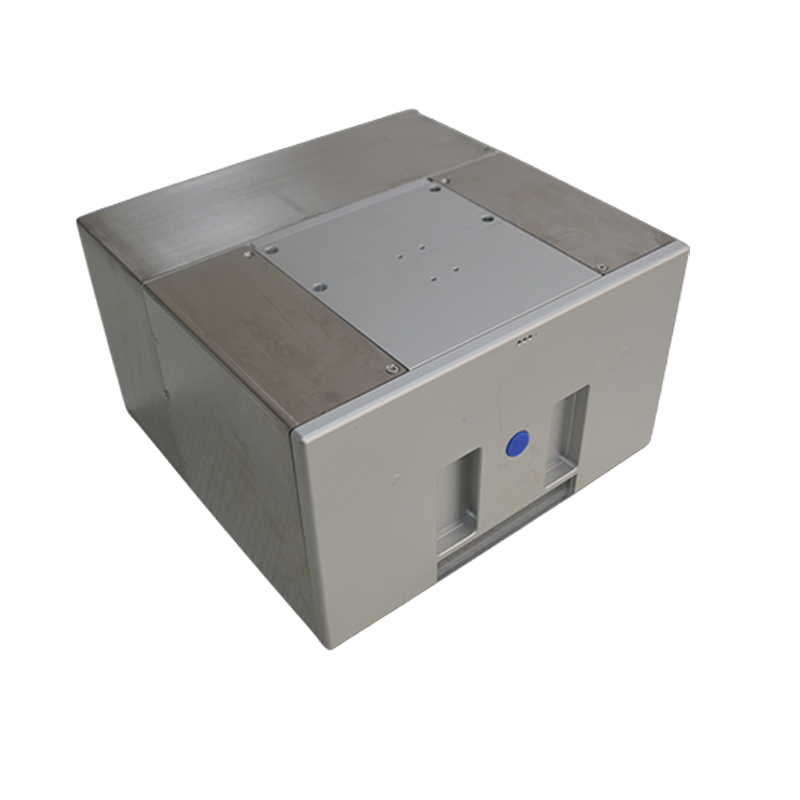
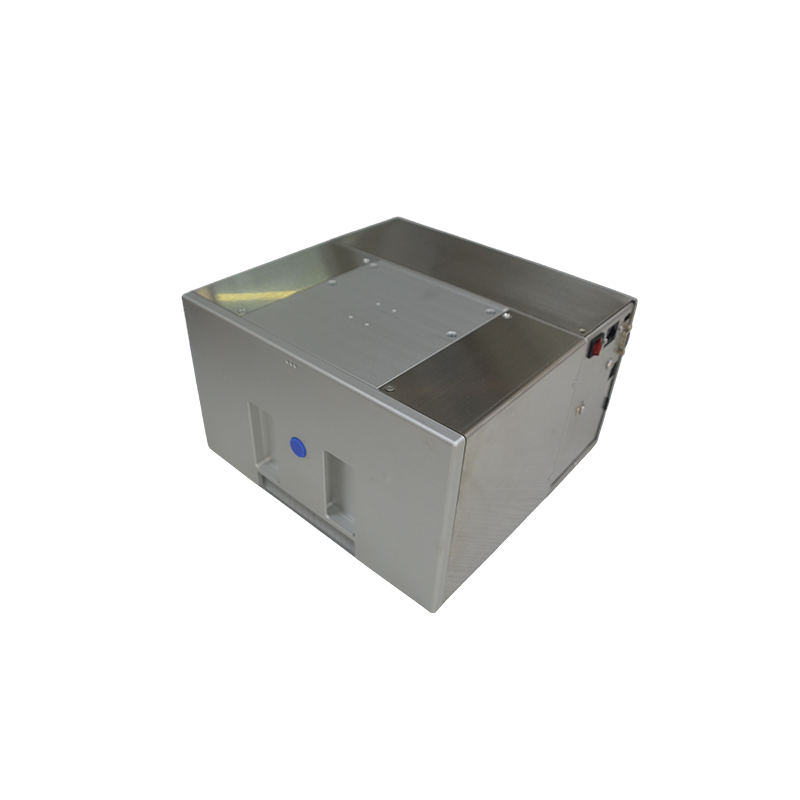
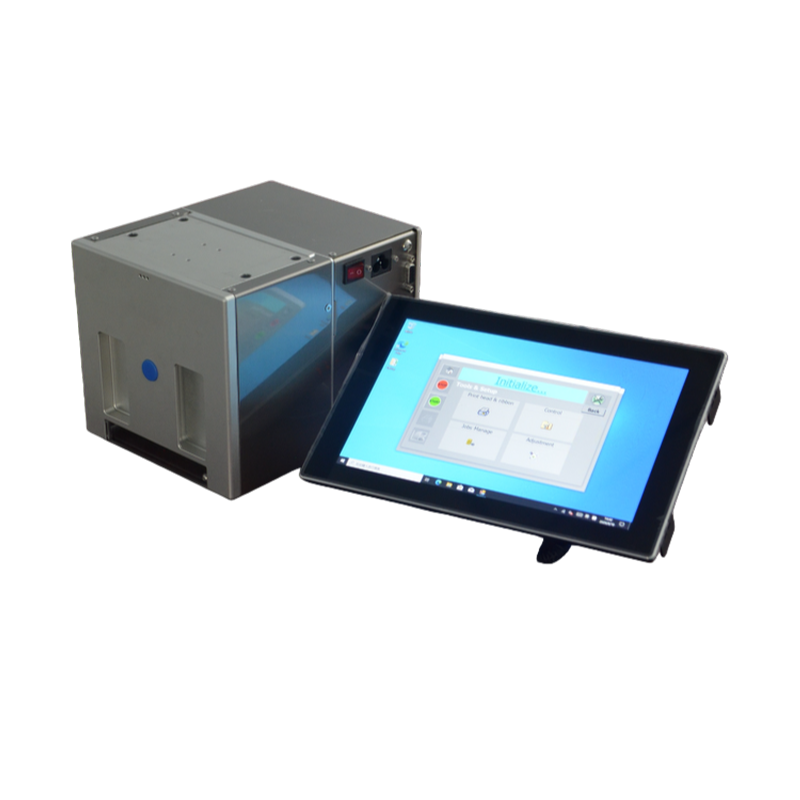
Correct approach: ask for the recommended ribbon width per model, then verify by running the film at the fastest line speed you actually plan to run. If ribbon throughput becomes a bottleneck on the existing spool size, the honest answer is to step to the next model in the lineup, such as moving from a T2455 frame to a T3255, rather than forcing a narrow roll. Width and spool size are model-level decisions. See the riban pemindahan terma options before you cut a spec.
Mistake 2: Choosing wax or resin by label color
Print color is not a selection criterion. Adhesion and durability are. Wax ribbons print well on paper and on soft PE at moderate speed, but they smear under heat and friction. Resin ribbons resist abrasion and solvents but need more energy, so they perform only if the print head and the film support it.
Match the ribbon to the substrate and to what happens after coding. A snack film that is crimped and rubbed in a carton is a different duty from a sterilized medical pouch, and a frozen pack with condensation is different again. If the coded area passes under a seal bar or a hot tunnel, check what the ribbon does at that temperature, not at room temperature.
| Substrate or duty | Typical ribbon direction | What to verify before the PO |
|---|---|---|
| PE roll film, short shelf life | Wax to wax-resin | Rub test after 24 hours on the actual film |
| PET or metallized film | Resin | Adhesion tape test at the coolest part of the print |
| Frozen or damp packs | Resin, higher energy | Print after condensation and one thaw cycle |
| Crimp area or seal zone | Resin | Print across the seal line at production speed |
Run the test on the film you will buy, not on a sample from a different lot. Film slip additives and corona treatment change from lot to lot, and a ribbon that printed well last month can fail on a new roll.
Mistake 3: Auditing the ribbon alone
A ribbon has no independent performance. Energy, dwell time, line speed, and ribbon step are set on the overprinter and only make sense together. A resin ribbon judged as poor on one machine may be fine after a 5 to 10 percent energy increase and a slower print cycle, and a good ribbon can still print badly if the head is dirty or the platen roller is worn.
Treat the ribbon as half of a matched pair. On a multi-model TTO lineup covering several print widths, keep one ribbon and one setting per product code, and record the speed and energy that were validated rather than the settings someone typed in during a rush shift.
Self-audit before you release the PO
- Measure print head width and ribbon step at production speed, not at jog speed.
- Confirm overlap between codes. Flag any case where it approaches or exceeds the 10% condition above.
- Run a rub test and, if the pack is washed or frozen, a wet and cold test on real film.
- Record ribbon lot, energy, speed, and print position for every SKU you code.
- Check head condition and platen wear before blaming the ribbon.
If the audit finds the defect follows the machine and not the ribbon, the problem is settings or hardware. Use the ribbon selection guide to reset the baseline, then re-test.
When the spec sheet is the wrong document
Spec sheets list ranges, not compatibility. A ribbon listed for PET may still fail on a specific coated PET at your line speed. The only reliable document is a test record on your film, your machine model, and your line speed, signed by the person who ran it.
Write that record as a release document. Include film grade and thickness, ribbon type and lot, print head width, line speed, energy level, and pass or fail on the rub and adhesion checks.
For snack lines where crimp and rub are the dominant duty, the snack packaging coding solution shows how film path and print position interact. That interaction, not the ribbon catalog, decides whether the code survives. Run thermal transfer ribbon selection as a test, not a purchase form.
FAQ
Do I need a wider ribbon than my print field?
Usually yes. Most units need ribbon covering the full print head, not only the coded area. Measure head width on the machine and check that ribbon edges have margin to walk. Then print at top line speed to confirm the ribbon step keeps up.
Can I use the same ribbon on PE and PET?
Only after testing both. PE usually runs on wax or wax-resin, while PET and metallized film typically need resin and more energy. Run a rub test on each film at production speed before you commit one ribbon to both.
Why do my codes smear after a few hours in the carton?
Likely wax on a duty that needs resin, or energy set too low. Check the print across the rub zone and the seal area. If the code smears there but not immediately after printing, the ribbon choice is the first suspect, then energy.
How do I prove the ribbon is compliant before the PO?
Build a release record on real film: film grade and thickness, ribbon type and lot, head width, line speed, energy, and the result of rub and adhesion checks. Keep it with the SKU settings so a later lot change can be compared against it.
Send your film grade, bag drawing, and a photo of the current print defect area. We will come back with a model recommendation and a reference price band within one business day through the contact page.
获取 TTO 打码与碳带选型建议
为快速匹配机型与碳带,请提供以下信息,我们会据此给出选型方向与后续沟通安排。
- 包装材料与结构(如 PE/PP 复合膜、单面开口卷膜)及膜宽
- 产线速度、包装机类型(如 FFS)与安装空间限制
- 需打印内容(日期/批号/二维码等)、行数与打印区域尺寸
- 使用环境与运行班次,以及所在地区与联系方式
响应时效:工作日收到完整信息后 1 个工作日内回复。
 English
 Chinese
 Russian
 Japanese
 Malay
 Korean
 French
 German
 Arabic