




For a thermal transfer overprinter selection, compare total cost of ownership across your packaging scenario. Purchase price is only part of the story. Ribbon, print head, and downtime often dominate over three to five years.
Scenario 1: Snack and Confectionery Packaging on a Vertical FFS Line
High-speed vertical form-fill-seal lines for snacks run at high cycle rates and use thin PE or OPP films. The TTO must keep pace with line speed while printing clear date and lot codes on small, curved areas.
Difficulty: Film flutter and static can cause print gaps. Ribbon with the wrong peel force may smear or wrinkle. Frequent starts and stops wear the print head.
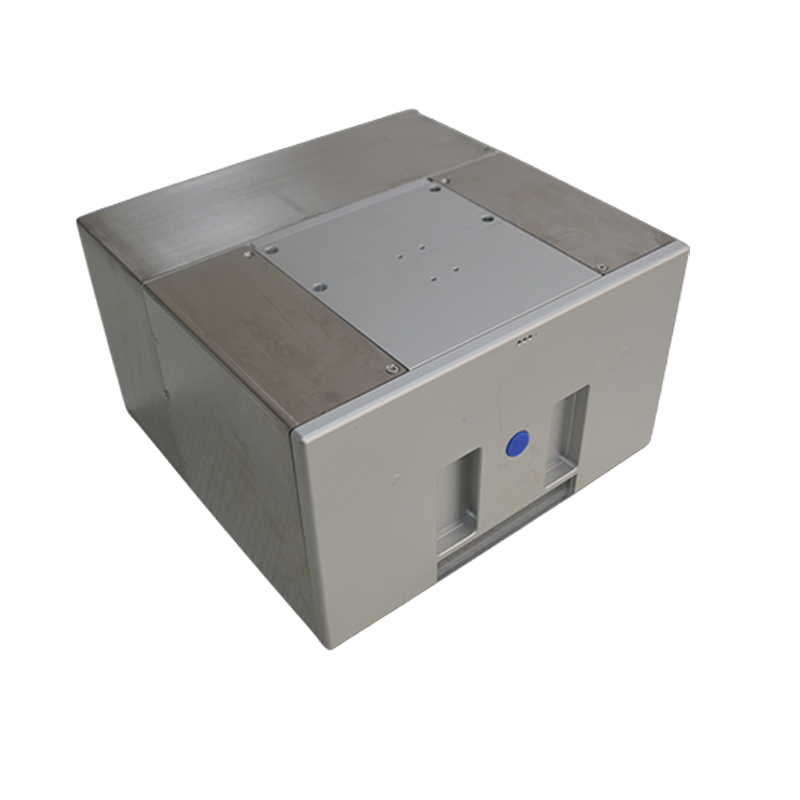
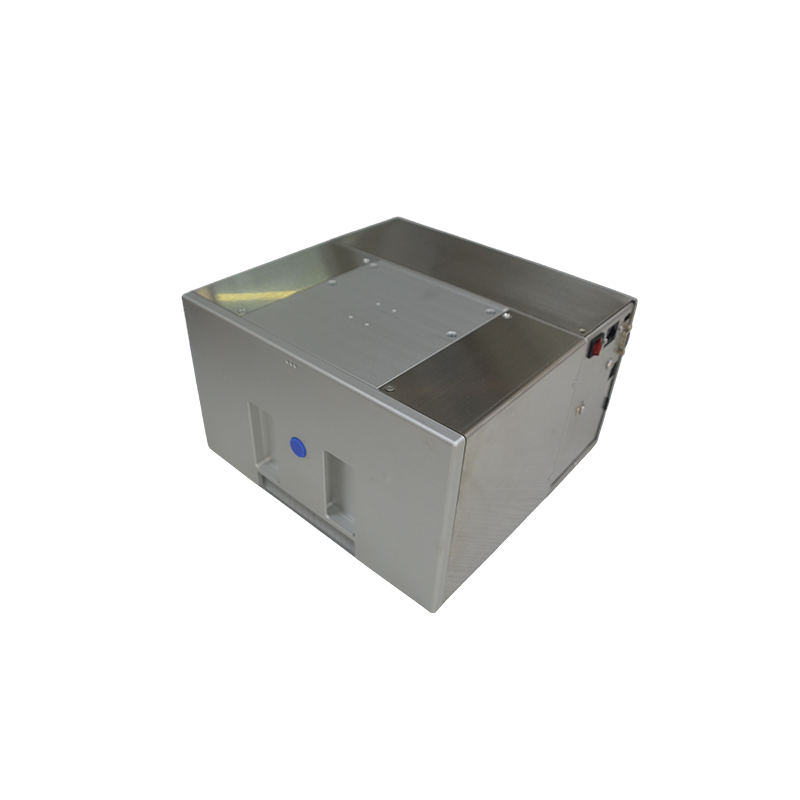
Solution: Pick a TTO whose print speed matches your line’s maximum cycles per minute, typically 150 to 300 packs per minute on snack lines. Use ribbon grades formulated for PE and OPP with low peel force. The JYZN-T2455, a 24mm print width model, often fits medium-speed snack lines. The T107115 (107mm width) suits wider film webs.
Action: Request a film sample and a ribbon sample. Run a trial at your top line speed for at least 30 minutes. Inspect codes for smearing, gaps, and ribbon wrinkles. Measure print position repeatability with a caliper.
Scenario 2: Single-Side Open Roll-Fed Film for Fresh Food and Produce
Single-side open roll-fed packaging uses pre-opened bags on a roll, often for fresh produce, bakery, or hardware. The film is thicker and may carry an anti-fog or breathable layer. Printing happens on the open side before filling.
Difficulty: Thick film and uneven surfaces can reduce print contrast. Ribbon adhesion varies with film treatment. Dust from produce or paper bags can contaminate the print area.
Solution: Select a TTO with adjustable print pressure and a ribbon that bonds to treated PE or PET. The JYZN-T3255 (32mm width) balances speed and print area on medium-duty lines. For wider webs, the T53115 (53mm width) covers more area per stroke. Wipe the print head every shift.
Action: Check film surface energy with a dyne pen; most treated films for TTO fall in the 38–42 mN/m range. Print a test grid at 5°C and 35°C ambient if your plant sees wide temperature swings. Confirm ribbon adhesion with a tape pull test.
Scenario 3: FFS Packaging for Hardware and Electronics
Horizontal or vertical FFS lines for hardware and electronics often use PET/AL/PE laminates or thick PE. Codes must resist abrasion and moisture. Production may run in batches with frequent changeovers.
Difficulty: Hard, textured surfaces cause missing dots. Ribbon residue builds up on the print head. Changeover time between jobs adds hidden cost.
Solution: Use a TTO with a robust print head and a ribbon built for abrasion resistance, such as a resin-enhanced wax or full resin grade. The T5355 (53mm width) suits high-resolution coding on laminate. On intermittent lines, a model with quick ribbon loading saves minutes per shift.
Action: Run a 200-meter ribbon trial on your actual laminate. Check code durability with a rub test using a 500g weight and 50 strokes. Record changeover time before and after choosing a model with a tool-free ribbon path.
Cost Breakdown: One-Time vs. Long-Term Consumables
Total cost of ownership includes purchase price, ribbon, print head, maintenance, and downtime. Any thermal transfer overprinter selection that ignores consumables overstates savings. The table compares typical cost drivers across the three scenarios.
| Cost Element | Scenario 1: Snack FFS | Scenario 2: Single-Side Open Roll | Scenario 3: Hardware FFS |
|---|---|---|---|
| Typical TTO Model | JYZN-T2455 or T107115 | JYZN-T3255 or T53115 | JYZN-T5355 or T53115 |
| Ribbon Consumption | High (thin film, high speed) | Medium (thicker film) | Medium to high (abrasion-resistant ribbon) |
| Print Head Life | 12–24 months (typical) | 18–36 months | 12–24 months |
| Downtime Risk | Medium (film flutter, static) | Low to medium (dust) | Medium (changeovers) |
| Maintenance Focus | Daily print head cleaning | Weekly cleaning, dyne check | Frequent ribbon path checks |
Ribbon cost per 1,000 codes depends on code size and ribbon width. A 24mm ribbon usually costs less per meter than a 53mm ribbon but covers fewer codes per stroke. Multiply codes per year by ribbon length per code to get annual ribbon spend. Most suppliers will estimate consumption from your code layout.
Common Selection Principles Across Scenarios
- Match print width to your largest code. A 32mm model handles most date and lot codes. 53mm is for multi-line or logo printing. Measure the code block and add 2–3mm margin.
- Check speed against resolution. Higher speed often lowers resolution. For text under 2mm height, test at target speed to confirm legibility.
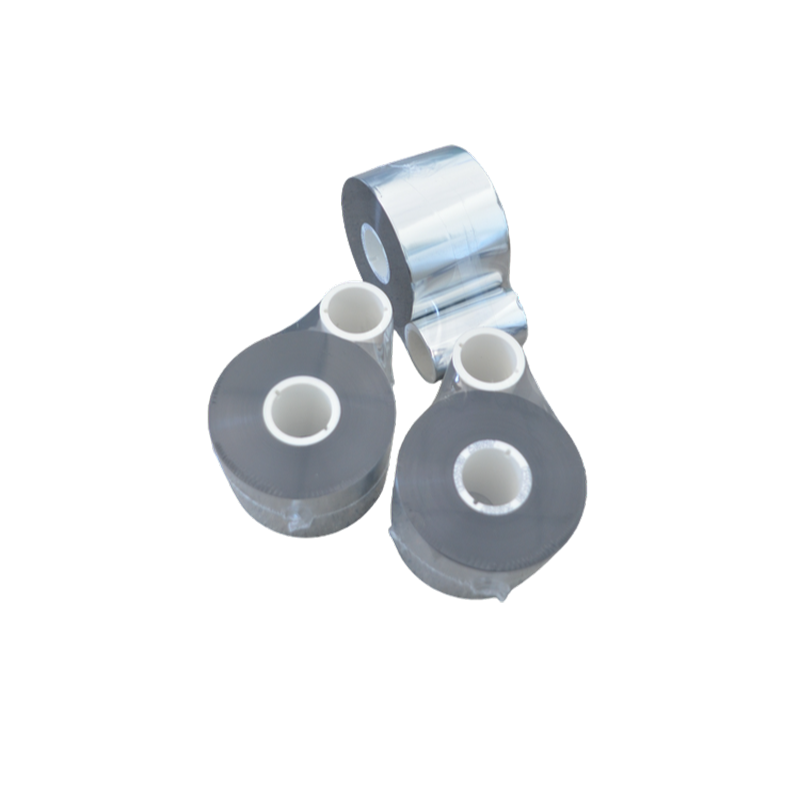
- Ribbon grade follows substrate. Wax for paper, wax-resin for coated film, resin for laminate and abrasion resistance. Confirm with a tape pull test.
- Count ribbon loading time. A tool-free path saves 2–5 minutes per change. Over a year, that adds up.
A sound thermal transfer overprinter selection also weighs spare part lead time. Ask for the typical delivery window on print heads and ribbon path parts before you sign.
Implementation Checks Before You Buy
- Send three samples: your film, your ribbon, and a sample of your current code. Ask for a print trial report with speed, temperature, and dwell time settings.
- Request a TCO worksheet covering ribbon, print head, and estimated downtime for three years, using your actual production hours.
- Verify spare parts availability and typical lead time.
- Ask for the maintenance schedule and required tools. A model needing special tools for print head replacement adds hidden cost.
For a ribbon checklist, see the Ribbon Selection Guide. To compare models, visit the Термотрансферный принтер для печати поверх существующих надписей category page.
Frequently Asked Questions
Q: How do I estimate ribbon cost per code?
A: Measure code length and width. Ribbon area per code equals code area plus 10–20% for margins. Divide ribbon roll area by code area to get codes per roll, then multiply by annual code count.
Q: Can one TTO model serve several packaging lines?
A: Sometimes. A model with adjustable print width and pressure can handle different films, but switching ribbon grades and settings takes time. For daily material changes, favor quick-change ribbon path and saved presets.
Q: What is the typical payback versus a hot stamp coder?
A: TTO often cuts ribbon waste and downtime. Payback depends on current consumable spend and volume. Run a side-by-side trial on your codes and film; most suppliers provide a comparison sheet.
Q: How often should the print head be replaced?
A: Life varies with ribbon grade, cleaning frequency, and print density. Under normal conditions, 12–36 months is typical. Check print quality weekly and replace when missing dots persist after cleaning.
Send your bag drawing and a photo of the part — we will come back with a model recommendation and a reference price band within one business day. Свяжитесь с нами.
获取 TTO 打码与碳带选型建议
为快速匹配机型与碳带,请提供以下信息,我们会据此给出选型方向与后续沟通安排。
- 包装材料与结构(如 PE/PP 复合膜、单面开口卷膜)及膜宽
- 产线速度、包装机类型(如 FFS)与安装空间限制
- 需打印内容(日期/批号/二维码等)、行数与打印区域尺寸
- 使用环境与运行班次,以及所在地区与联系方式
响应时效:工作日收到完整信息后 1 个工作日内回复。
 English
 Chinese
 Russian
 Japanese
 Malay
 Korean
 French
 German
 Arabic