




Quick Answer: When a TTO Printer Fits an FFS Line
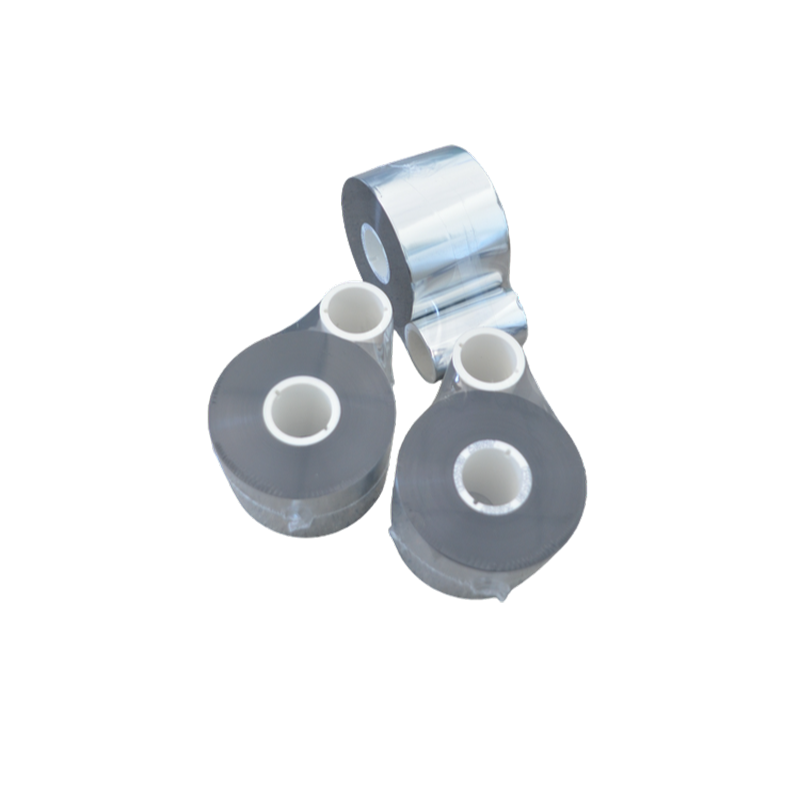
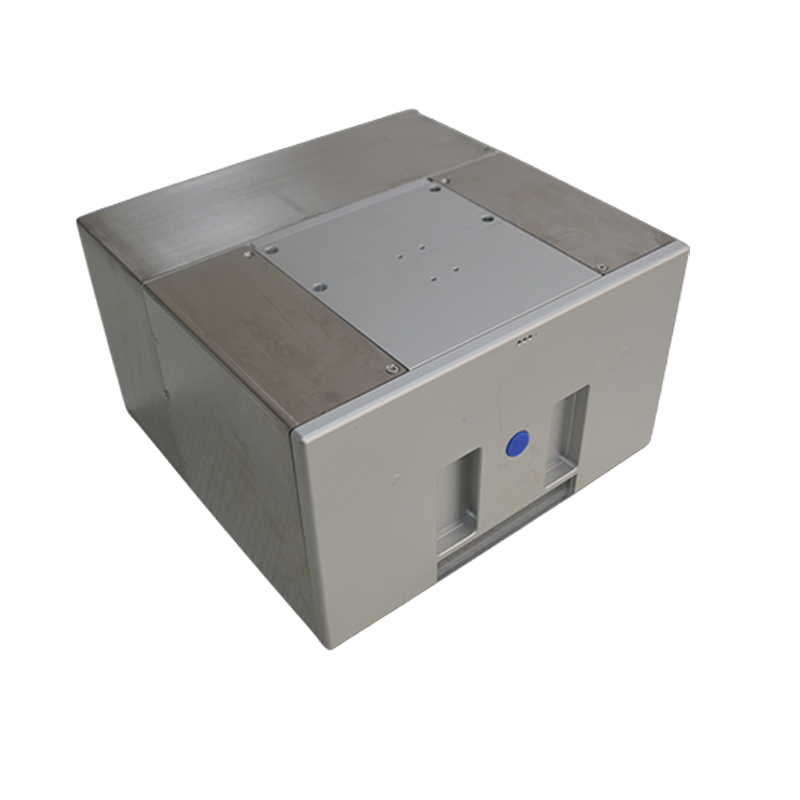
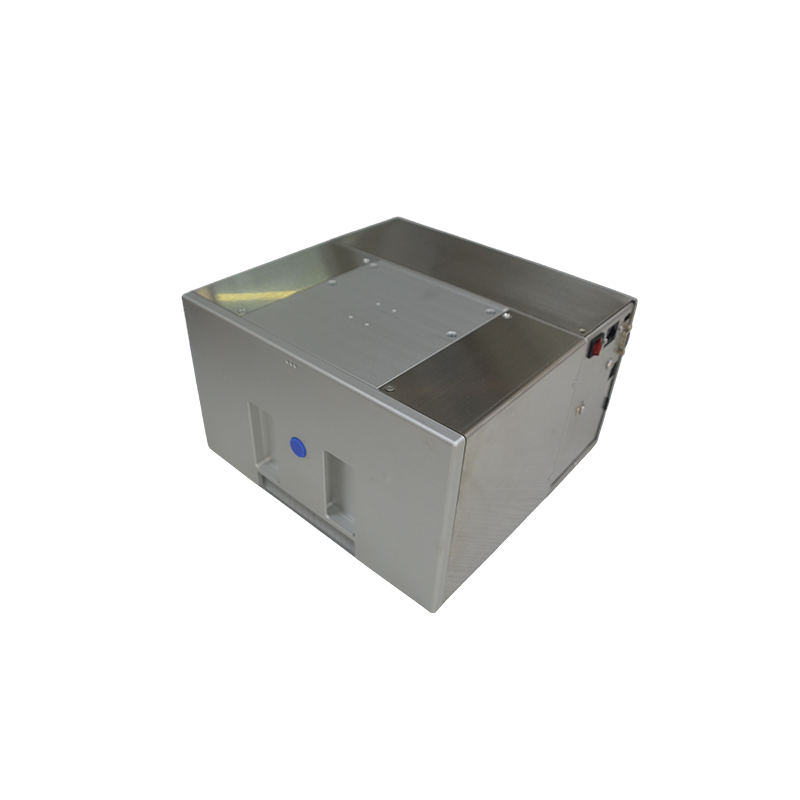
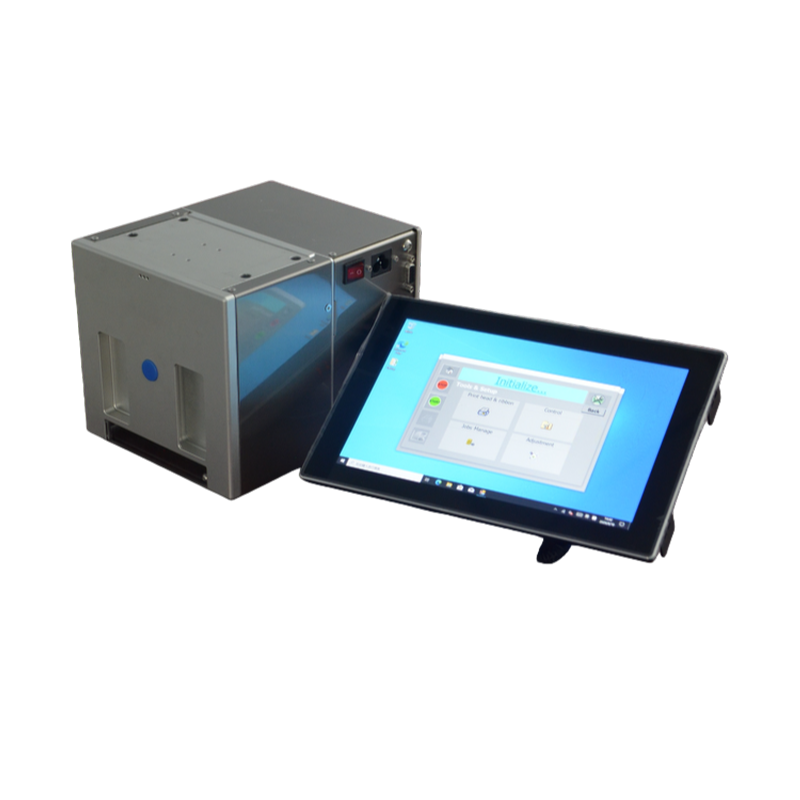
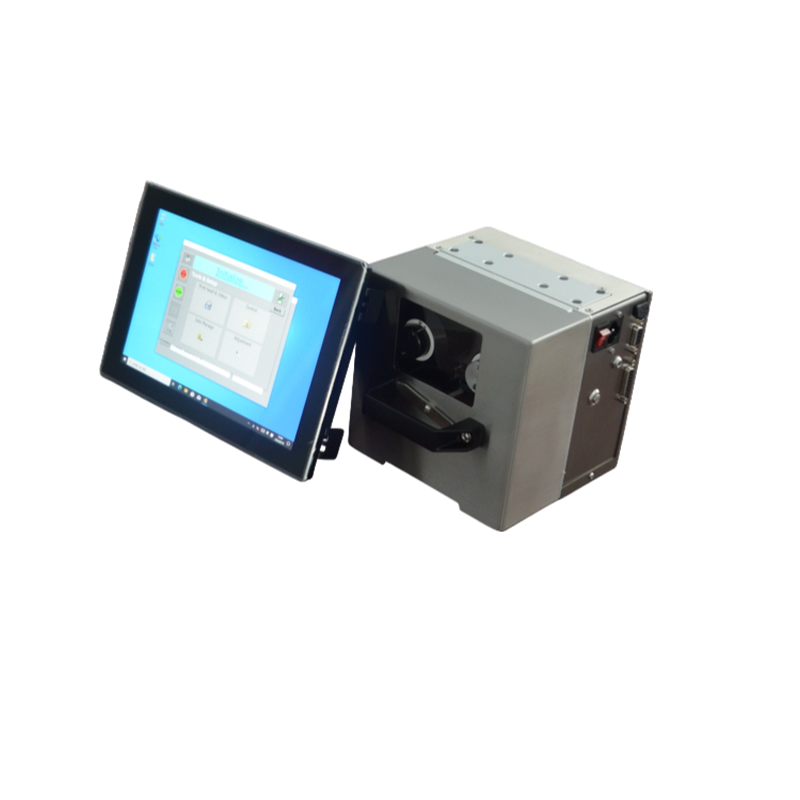
A TTO printer for FFS packing machine integration is a good fit when you need variable data—dates, lot codes, prices—on flexible film at speeds typically between 30 and 80 packs per minute, and when the film surface accepts thermal transfer ribbon. It is less suitable for very high-speed lines above 100 packs per minute or for films with heavy slip additives that resist ribbon adhesion.
- Good fit: snack bags, frozen food, hardware parts, medical device pouches on vertical or horizontal FFS.
- Check first: film thickness below 30 µm, high-slip PE, or lines with frequent stop-start cycles.
- Avoid forcing: if the film is already printed with a rough coating, test ribbon adhesion before committing.
Always run a film-and-ribbon compatibility test on your actual FFS machine before finalizing a model. A JYZN-T2455 or T3255 is often a starting point for mid-speed lines; the final choice depends on print width and film width.
Why Film and Ribbon Matching Drives Performance
Thermal transfer printing relies on heat and pressure to transfer ink from ribbon to film. On an FFS machine, the film moves continuously or in indexes, and the print head must fire at the right moment. If the ribbon melts at a lower temperature than the film can tolerate, you get smudging. If it melts too high, you get incomplete characters.
The key parameters are print head energy, line speed, and ribbon resin type. For PE and PP films common in food packaging, a resin-enhanced wax or full resin ribbon usually gives better abrasion resistance. For coated PET or AL films, a standard wax-resin ribbon may be enough.
Common mistakes to avoid
- Choosing ribbon by price alone without checking the film’s surface energy.
- Setting print speed to match the FFS line speed without adjusting energy—this causes weak prints.
- Ignoring ribbon width: it should be slightly wider than the print area but not wider than the print head.
Use the Ribbon Selection Guide to narrow down resin type and width before ordering samples.
Application Scenarios by Industry and Material
Different industries bring different film types and coding requirements. The table below summarizes typical setups.
| Industry | Typical Film | 带式类型 | Typical Print Content | Line Speed (packs/min) |
|---|---|---|---|---|
| Snack food | Coated PET/PE laminate | Wax-resin or resin | Date, lot, price | 40–80 |
| Frozen food | PE film, sometimes with anti-fog | Resin-enhanced wax | Date, batch | 30–60 |
| 硬件 | PE or PP bags | Resin | Part number, date | 20–50 |
| Medical pouches | Tyvek or PET/PE | Resin | Lot, expiry, UDI | 20–40 |
| E-commerce mailers | PE film | Resin-enhanced wax | Order code, date | 30–60 |
For snack and confectionery lines, the TTO smart coding solution for snack packaging describes how to handle frequent date changes and high line speeds. For single-side open roll film used in hardware and parts packaging, see the flexible packaging coding solutions.
Snack food lines
These lines often run at 60–80 packs per minute with frequent date and price changes. A TTO printer with a 32 mm print head (like the JYZN-T3255) covers most date and lot codes. Mount the printer close to the sealing station to minimize film movement during printing. Verify print quality at the start and end of each roll—film tension changes can affect print darkness.
Frozen food lines
Condensation on the film can block ink transfer. Use a resin-enhanced wax ribbon and ensure the print head is heated to the upper end of its range. Run a 10-minute test at line speed and check for voids. If the film has anti-fog coating, test adhesion separately.
Hardware and parts
PE bags for screws and fittings often have a rough surface. A full resin ribbon gives better scuff resistance. Print area is usually small (part number and date), so a 107 mm print head (JYZN-T107115) may be sufficient. Check that the FFS machine’s indexing matches the printer’s trigger signal.
Verification and Acceptance Steps
Before signing off on a TTO printer for FFS packing machine, run these checks on your line with your film and ribbon.
- Print quality test: Print 100 consecutive codes at production speed. Inspect for missing dots, smudges, and edge sharpness. A magnifier helps for small fonts.
- Adhesion test: Use a tape test (apply and peel) on printed film. Ink should not lift. Repeat after rubbing with a finger.
- Speed match: Confirm the printer’s maximum print speed exceeds your FFS line’s film speed by at least 20%. Check with a stopwatch or line encoder.
- Ribbon consumption: Measure ribbon used per 1,000 packs. A typical TTO printer uses ribbon efficiency of 45–55% depending on print area and code length. Compare with supplier’s estimate.
- Changeover time: Time how long it takes to change ribbon and update date code. Target under 2 minutes for ribbon, under 30 seconds for data.
For a deeper look at how TTO integrates with flexible packaging lines, the TTO digital coding solution covers signal wiring and mounting positions.
Cost and Changeover Impact
Ribbon is the main consumable. At a typical print area of 30 mm × 15 mm and 50 packs per minute, ribbon consumption is usually in the range of 0.8–1.2 meters per 1,000 packs. Using a wider ribbon than needed raises cost without benefit. Choose the narrowest ribbon that covers the print area.
Changeover between products often requires changing the date code and sometimes the ribbon type. If your line runs multiple film types, consider a printer with quick-release ribbon cassette. The JYZN-T5355 and T53115 offer wider print areas but may consume more ribbon per code.
Downtime for print head replacement is another cost. Keep a spare print head on hand. Typical print head life is 50–100 km of ribbon, depending on energy settings and film abrasiveness.
Frequently Asked Questions
- Can I use one TTO printer on two FFS machines? Not easily. The printer must be mounted at the coding station, and signal timing differs. A second printer is usually more practical.
- What print width do I need? Measure the widest code you plan to print, then add 5 mm. The JYZN-T2455 has 24 mm, T3255 has 32 mm, T107115 has 107 mm, and T5355 has 53 mm.
- How do I know if my film needs a resin ribbon? Test adhesion with a wax-resin ribbon first. If the print smudges or rubs off, switch to resin.
- What about coding on pre-opened roll bags? For pre-opened bags on a roll fed into an FFS machine, the printer mounts before the bag opening station. Ensure the film is supported to avoid print head bounce.
- Do I need a 300 dpi or 600 dpi printer? 300 dpi is standard for date and lot codes. 600 dpi is for small fonts or dense 2D codes. Higher resolution may slow print speed.
- Can I print on both sides of the film? TTO prints on one side. For two-sided coding, you need two printers or a turner bar.
Send your bag drawing and a photo of the FFS coding station — we will come back with a model recommendation and a reference price band within one business day. 联系我们
获取 TTO 打码与碳带选型建议
为快速匹配机型与碳带,请提供以下信息,我们会据此给出选型方向与后续沟通安排。
- 包装材料与结构(如 PE/PP 复合膜、单面开口卷膜)及膜宽
- 产线速度、包装机类型(如 FFS)与安装空间限制
- 需打印内容(日期/批号/二维码等)、行数与打印区域尺寸
- 使用环境与运行班次,以及所在地区与联系方式
响应时效:工作日收到完整信息后 1 个工作日内回复。
 English
 Chinese
 Russian
 Japanese
 Malay
 Korean
 French
 German
 Arabic